
Buyer guide
Stackable vs Foldable Plastic Storage Boxes: Which Should Importers Choose?
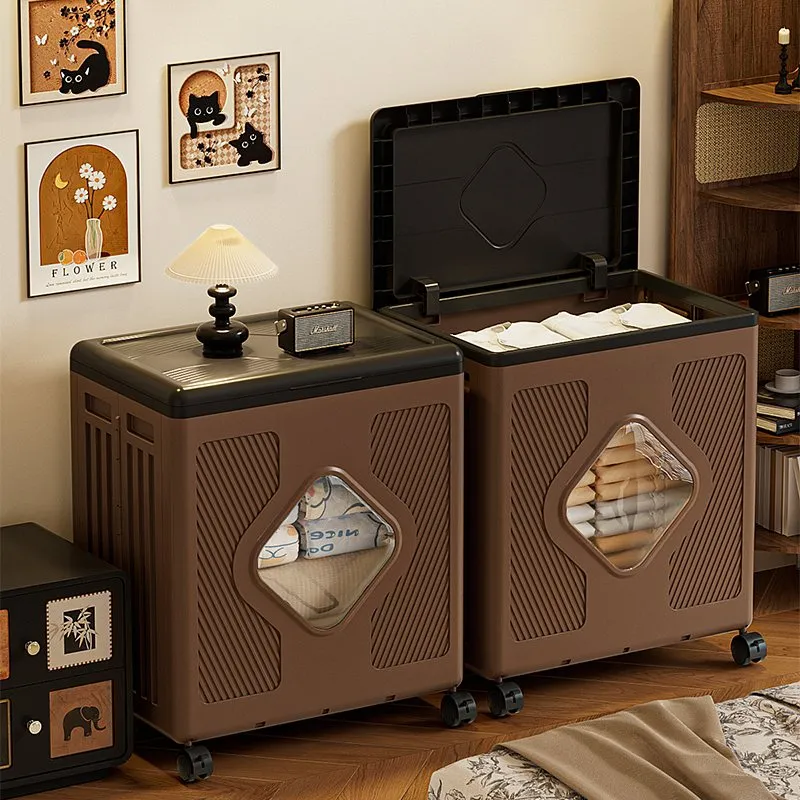
Buyers searching for wholesale plastic storage boxes from China quickly meet two families of product: rigid stackable boxes that keep their shape empty or full, and foldable (collapsible) crates that flatten for shipping and storage. Both can be high-volume SKUs. Choosing the wrong structure for your channel usually shows up later as freight overruns, returns, or shelves that look wrong in store. This guide compares stackable vs foldable storage boxes from an importer's point of view.
1. Definitions that matter in a purchase order
- Stackable (rigid) plastic storage boxes. Injection-molded bodies that do not collapse. Lids often nest so boxes stack stably in a warehouse or on a pallet. When empty, they still occupy nearly their full volume — which is fine for local distribution but expensive on long ocean legs if you ship air inside the box.
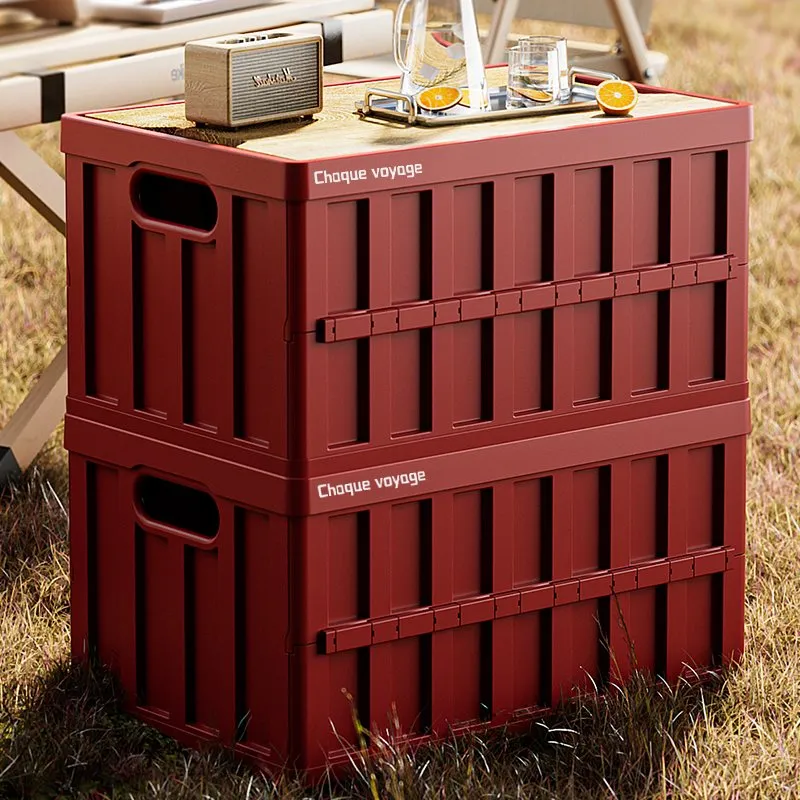
- Foldable / collapsible crates. Side walls hinge or fold inward so the empty unit packs almost flat. Once erected, many designs also stack. The selling point is dual: dense outbound freight and compact storage for the end user between uses.
Some catalogs blur the language and call every crate "stackable." In your RFQ, say whether you need nesting when empty, stacking when full, folding walls, or all three.
2. When foldable crates win
Import folding crates when freight and empty storage dominate the cost model:
- Cross-border wholesale. Folded cartons put more units in a container, which usually lowers landed cost per piece even if the factory unit price is higher than a simple open bin.
- Camping, car and seasonal retail. Consumers value a crate that disappears into a closet or trunk after the trip. Our camping crates guide covers lids and outdoor use.
- Subscription or DTC brands. Lower outbound shipping volume improves margins on small parcel shipments.
- Side-access stacks. Models with combination lids or side doors let users open a middle box without unstacking — see side-opening and combination-lid folding boxes.
Foldable designs rely on hinges and snaps. Sample them carefully for wall lock strength and hinge life, as described in our folding storage box buyer's guide.
3. When rigid stackable boxes win
Choose non-folding stackable boxes when structure and continuous use matter more than empty volume:
- Kitchen and food storage. Clear rice bins, dispensers and pantry boxes are typically rigid so lids seal consistently and walls do not flex when scooped. See our kitchen storage wholesale guide.
- Closet and drawer organizers. Fixed walls keep compartments aligned; folding is rarely useful inside a drawer.
- Heavy or dirty industrial picking. Some buyers prefer a solid wall with no hinge lines for cleaning and load confidence (always validate load with samples).
- In-store display of filled product. Rigid boxes look "ready" on shelf without asking staff to erect walls.
Rigid boxes cost more to ship empty from China unless you can nest them deeply or fill them with other goods. Ask suppliers for nesting ratio and pallet pattern, not only unit price.
4. Side-by-side comparison for importers
- Ocean freight (empty). Foldable usually wins by a wide margin.
- Warehouse cube when empty. Foldable wins for reverse logistics and customer storage; rigid wins only if deeply nestable.
- Load and abuse. Well-designed rigid boxes often feel stiffer; good foldable PP crates can still handle home and camping loads — compare samples, not claims.
- Retail demo. Foldable needs a quick "pop up" demo; rigid is plug-and-play.
- Part count and QC. Foldable has more hinges and clips to inspect; rigid has fewer moving parts but still needs lid fit and stack interlocking checks.
- Material. Both are commonly PP; some rigid bins use HDPE. Trade-offs are covered in PP vs HDPE for storage boxes.
5. How to decide for your assortment
- Map the primary use: one-time ship-and-store, daily kitchen access, camping, or warehouse pick.
- Estimate empty return or home storage needs — if customers hate bulky empties, lean foldable.
- Calculate landed cost with real carton data for both options at the same capacity.
- Order samples of both structures in your target size and test stacking, lids and (for foldable) wall locks.
- Plan branding: custom color and logo work on both types; process details are in our OEM color and logo article.
Many importers carry both: foldable crates for camping and garage SKUs, and rigid clear bins for kitchen. That split matches how shoppers actually use the products.
6. What Lizhong can supply
Guangdong Lizhong Plastic is an ISO 9001 certified manufacturer in Jieyang, Guangdong, with an 11,500 m² factory, import and export rights, and OEM/ODM support. Our range centers on household plastic storage — folding and camping crates plus home, kitchen and bath items. Starting points:
- Foldable: H-8123 combination lid & side door, H-8023 side-opening wood-grain lid, H-8013 oval-handle, G-8003 plastic lid, 8001/8002/8003 wood-grain lid sizes, H-80T1 carry handle
- Kitchen / rigid-style storage: 601/602/603 sliding-lid rice bins, T-601/T-602/T-603 flip-lid rice dispensers
MOQ, lead time and pricing depend on the model and customization — ask for a quote with your sizes, colors and packing. For how these parts are produced, see how injection molded storage boxes are made.
7. Brief checklist before you place the order
Whether you choose stackable, foldable, or both, send suppliers the same structured brief so quotes are comparable:
- Target market and retail channel (mass retail, specialty outdoor, e-commerce, B2B).
- Internal capacity and external footprint limits for shelves or trunk space.
- Required stacking height when full, and whether empty nesting or folding is mandatory.
- Lid preference: none, plastic, wood-grain, combination, or side door.
- Color standards (Pantone or approved physical chip) and logo placement.
- Packing: polybag, color box, or bulk; carton marking language.
- Any material declarations or retailer testing you will require after sampling.
MOQ and lead time depend on model and customization — ask for a quote rather than relying on a generic catalog figure. Clear briefs shorten sampling cycles and reduce the risk of approving a structure that does not fit your freight or shelf plan.