
Buyer guide
OEM Plastic Storage Boxes: Custom Color and Logo Explained
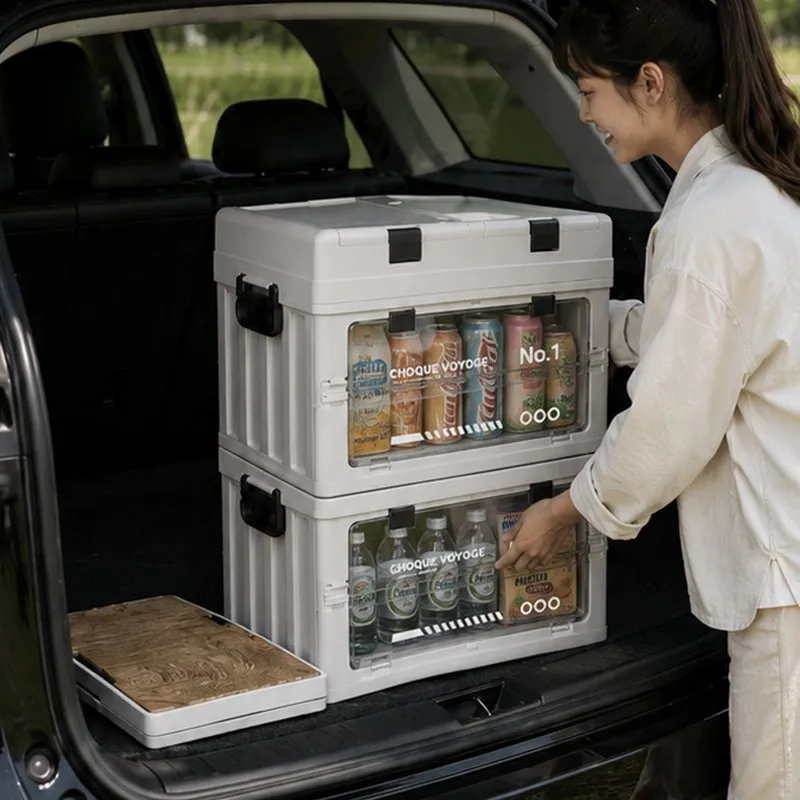
OEM (original equipment manufacturing) lets a brand sell plastic storage boxes under its own name without investing in molds or a factory. For many retailers, private-label sellers and promotional product companies, the most common OEM requests are simple: a custom color, a logo, and branded packaging. These changes are relatively low-risk, but they still involve decisions about cost, quantities, durability and approval steps. This article explains how custom color and logo work when you buy from an OEM plastic storage box supplier, and what to clarify before you place an order.
OEM vs ODM: what's the difference?
OEM usually means the factory produces an existing design to your specification, with your colors, your branding and your packaging. ODM (original design manufacturing) goes further: the factory helps develop a new or modified design, which may involve new molds. Many buyers start with OEM on catalog products, then move into ODM once a product line proves itself. Lizhong Plastic offers both OEM and ODM, including custom colors and logos.
Part 1: Custom colors
How plastic gets its color
Storage boxes are typically made from polypropylene or polyethylene resin, which is naturally translucent or off-white. Color is added during injection molding by mixing a color masterbatch (a concentrated pellet of pigment and carrier resin) with the base resin. Because the color goes all the way through the part, it does not scratch off like paint.
Specifying your color
The clearest way to specify a color is with a Pantone reference plus a physical sample if you have one. Colors look different on screen, on paper and on plastic, so expect the supplier to produce color plaques or sample parts for approval. Consider:
- Finish. Mold surface texture affects how a color appears. Glossy and textured surfaces of the same color can look like different shades.
- Transparency. Translucent and clear colors behave differently from opaque colors; small variations are more visible.
- Multiple parts. If the body and lid are molded separately, approve them together so that they match.
- Tolerance. Agree on an acceptable range, ideally with a "limit sample" showing the lightest and darkest acceptable shade.
Why custom colors have minimums
Every color change requires purging the machine and running material until the new color is stable, which costs time and resin. That is why custom colors normally come with a minimum quantity per color, while stock colors are more flexible. The exact minimum depends on the part size and model, so ask us for the specific item you are considering.
Part 2: Logo options
UV printing
UV printing applies ink that is cured instantly with ultraviolet light. It supports full-color artwork, gradients and fine detail, and is well suited to flat or gently curved surfaces such as lids. Ask about rub resistance if the logo sits on a surface that will be handled often.
Laser marking
Laser marking changes the surface of the plastic to create a permanent mark. It is crisp and durable but usually single-tone, and contrast depends on the base color. It works well for understated branding, model numbers or batch codes.
Labels and stickers
Labels are the most flexible option: easy to change, practical for small runs and useful for barcodes or retail information. Automatic labeling keeps placement consistent. The trade-off is durability; a label can peel over time on a product that gets washed or used outdoors.
Molded-in logos
A logo can be engraved into the mold so it appears embossed or debossed on every part. This is the most durable option, but it requires a mold insert or modification, and the logo then appears on every part that mold produces. It is usually reserved for exclusive or long-term programs.
Choosing the right method
| Method | Best for | Considerations |
|---|---|---|
| UV printing | Full-color logos, artwork | Surface must be suitable; check rub resistance |
| Laser marking | Permanent, subtle marks | Usually one tone; contrast varies by color |
| Labels | Small runs, barcodes, flexibility | Less durable with washing/outdoor use |
| Molded-in | Long-term exclusive programs | Requires mold work |
Part 3: Packaging and labeling
Branding is not only on the product. Many OEM buyers also customize color boxes, sleeves, polybag warnings, barcodes and carton marks. Prepare your artwork files (vector formats are preferred), retailer barcode requirements and any language or warning text required in your market. Confirm who is responsible for checking regulatory text; the supplier prints what you approve.
The OEM process step by step
- Inquiry. Send model numbers, quantities, color references, logo files and packing needs.
- Quotation. The supplier confirms the specification and quotes. Price depends on the model, color, logo method, packing and quantity.
- Samples. Approve color samples and a logo proof or sample.
- Order confirmation. Confirm specification, quantity, trade term and schedule in writing.
- Production and inspection. Compare production to the approved sample; arrange inspection if required.
- Shipment. Check carton marks and shipping documents.
Common mistakes to avoid
- Approving a color from a screen image instead of a physical sample.
- Approving the body color without checking the lid alongside it.
- Choosing labels for a product that will be washed or used outdoors.
- Sending low-resolution logo files.
- Adding branding after the price is agreed, which forces requoting.
Products that work well for OEM
Lids and flat side panels give logos the most visibility. Popular candidates in our range include:
- H-8123 Folding Storage Crate with Combination Lid & Side Door
- 8501 Rolling Stackable Storage Cabinet
- 1201 / 1202 Square-Buckle Medicine Box
Want to understand what happens before the logo goes on? Read How to source folding storage boxes from China.