
Buyer guide
How to Source Folding Storage Boxes from China: A Buyer's Guide
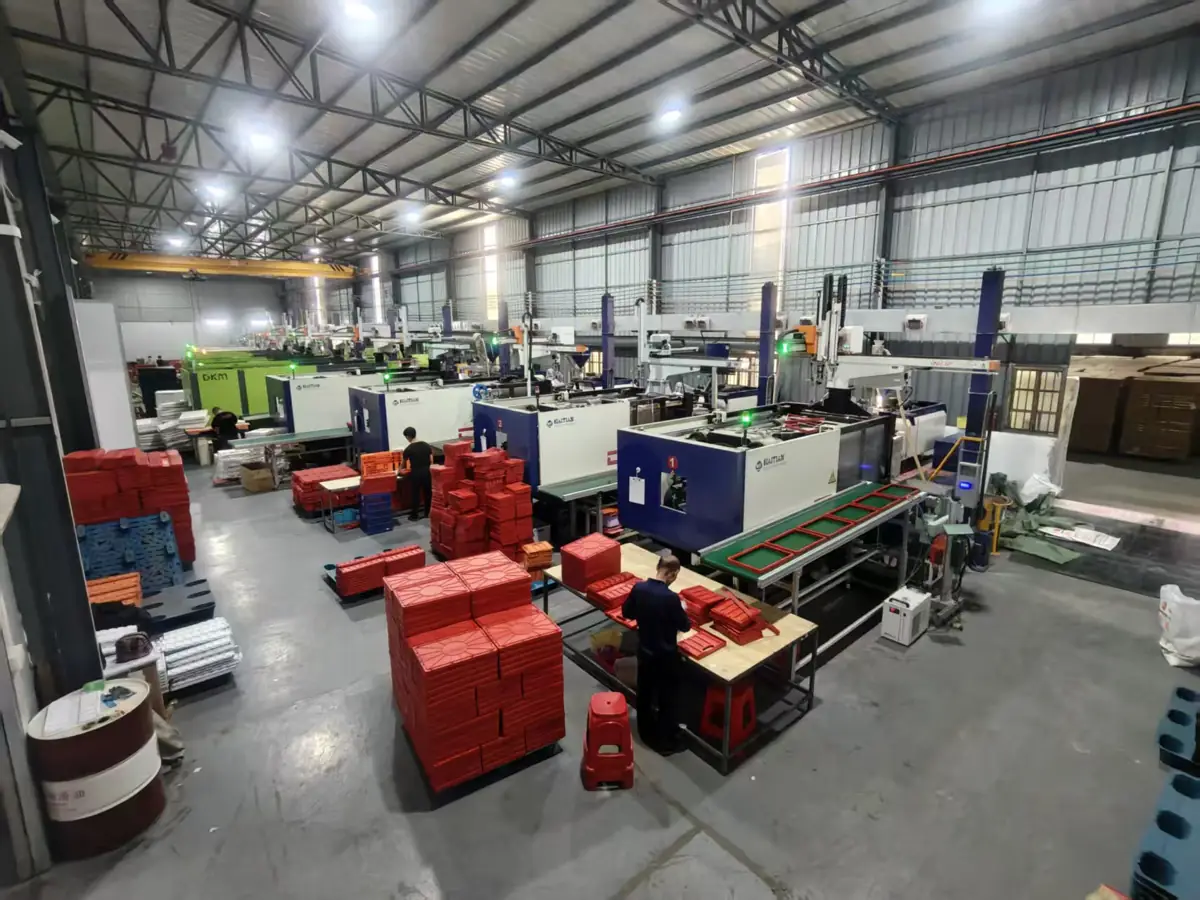
Folding storage boxes are one of the most competitive categories in Chinese plastics manufacturing. Hundreds of factories and trading companies list similar-looking crates online, and at first glance the photos, sizes and lid styles can seem almost identical. For an importer, retailer or brand owner, the real differences only show up later: in wall thickness, hinge durability, color consistency, packing efficiency and how well a supplier communicates when something goes wrong. This guide walks through a practical sourcing process for buyers looking for a folding storage box manufacturer in China.
1. Define what you actually need before contacting suppliers
The fastest way to get useful quotations is to send a clear brief. Suppliers can only price what they understand, and vague requests ("send me your best price for folding boxes") usually produce vague answers. Before you reach out, write down:
- Use case. Home organization, car trunk, camping, retail display, logistics? A crate meant for outdoor use needs different lid and handle choices than a closet organizer.
- Approximate size and capacity. External dimensions matter for shelf fit; internal volume matters to the end user. Note both if you can.
- Lid style. No lid, plastic lid, wood-grain lid, or a combination lid with a side door for access when boxes are stacked.
- Colors. Standard catalog colors are simplest. Custom colors are possible with most manufacturers but are usually tied to a minimum production quantity.
- Branding. Logo on the box, on the lid, on a label, or only on the packaging.
- Packing. Individual color box, polybag, or bulk carton. Folding boxes ship flat, so carton configuration has a big effect on freight cost per unit.
- Target market and compliance. Where will the product be sold? Requirements for material declarations or testing differ by country and retailer.
2. Factory or trading company?
Both can be good partners. Trading companies are useful when you want to consolidate many product types from different factories into one container. Working directly with a manufacturer usually gives you better control over molds, colors, production scheduling and quality, and fewer layers between your questions and the people who can answer them.
Ways to tell them apart:
- Ask for photos or a video call of the injection molding workshop and the specific machines that run your item.
- Ask who owns the molds for the products you are considering. A manufacturer will typically own its catalog molds and may hold design patents on its own designs.
- Check the business license scope and whether the company holds its own import and export rights or exports through an agent.
- Ask about the quality management system. An ISO 9001 certificate is not a guarantee of product quality, but it shows the factory has documented processes for inspection and corrective action. You can read more about the standard family on Wikipedia's ISO 9000 page.
For reference, Guangdong Lizhong Plastic is a manufacturer: we operate an 11,500 m² factory in Jieyang, Guangdong, hold import and export rights, are ISO 9001 certified, are recognized as a high-tech enterprise and hold our own design patents.
3. Evaluate the product, not just the photo
Once you have a shortlist, order samples. When they arrive, check more than appearance:
- Material. Most folding storage boxes are made from polypropylene (PP), which handles repeated flexing at hinges well. Ask whether the material is virgin or contains recycled content, because this affects color, odor and strength. Our article on PP vs HDPE for storage boxes explains the trade-offs.
- Hinges and locking. Fold and unfold the side walls many times. Walls should snap firmly into place and not pop out under light pressure.
- Load and stacking. Load a box with a realistic weight and stack several. Watch for lid bowing or walls bulging.
- Edges and flash. Run a hand along edges and handles. Sharp flash indicates mold wear or poor trimming.
- Color consistency. Compare the body, lid and any accessories under daylight. Mismatched shades between parts are a common complaint.
- Odor. A strong plastic smell can be a warning sign about material quality.
4. Understand how pricing works
Unit price for a folding crate is driven mainly by part weight (resin is the largest cost), the number of components, lid material, color and decoration, packing and order quantity. A cheaper quote often reflects a lighter part, so always compare samples alongside prices. Ask suppliers to quote on the same basis: same size, same lid, same packing and the same trade term. If you are unsure about trade terms such as FOB or EXW, the Incoterms overview on Wikipedia is a good starting point.
Minimum order quantity (MOQ) and lead time depend on the model, color and level of customization. Standard catalog items in stock colors usually have more flexible requirements than fully custom colors. We do not publish a single MOQ or lead time because they genuinely vary; ask us about the specific model you need.
5. Plan customization early
If you want your own color or logo, raise it at the beginning of the conversation, not after the price is agreed. Custom colors require color matching and approval of a sample before mass production; logos can be added by methods such as UV printing, laser marking or labels, and each has different costs and durability. Our guide to OEM custom color and logo covers the options in detail.
6. Agree on quality control and inspection
Put your expectations in writing: approved sample, acceptable color range, carton markings, and how defects will be handled. Many buyers arrange a pre-shipment inspection, either by their own staff or a third-party inspection company. Agree on the inspection standard and sampling level beforehand so that there are no surprises.
7. Shipping and packing efficiency
Folding boxes have a major logistics advantage: they ship flat. Ask each supplier for carton dimensions, gross weight and pieces per carton, then calculate the cost per unit landed in your warehouse. A slightly higher factory price with a more efficient carton can be cheaper overall.
A short sourcing checklist
- Write a clear brief: size, lid, color, logo, packing, market.
- Shortlist manufacturers; verify factory, certificates and export rights.
- Order and test samples side by side.
- Compare quotes on the same specification and trade term.
- Confirm MOQ, lead time and customization for your specific model.
- Approve a pre-production sample and agree inspection terms.
- Check carton data and calculate landed cost.
Folding storage boxes from Lizhong
Our folding range includes crates with wood-grain lids, plastic lids and side-door combination lids. A few places to start:
- H-8123 Folding Storage Crate with Combination Lid & Side Door
- H-8023 Side-Opening Folding Storage Crate with Wood-Grain Lid
- G-8003 Folding Storage Crate with Plastic Lid
- 8001 / 8002 / 8003 Folding Storage Crate with Wood-Grain Lid (3 sizes)
Looking for outdoor-specific crates? Read our guide to collapsible camping crates.